
Sahit Muja: “Energy security is economic security, industrial security and, ultimately, national security”
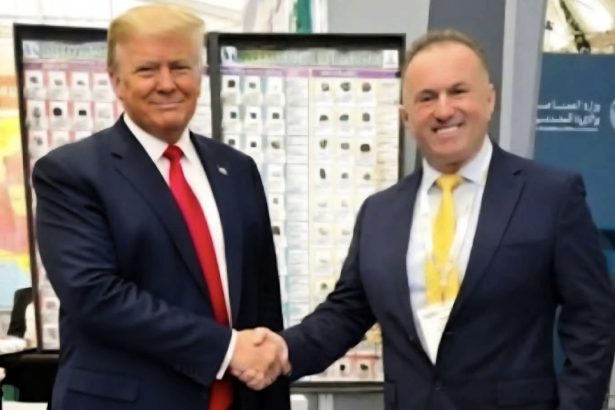
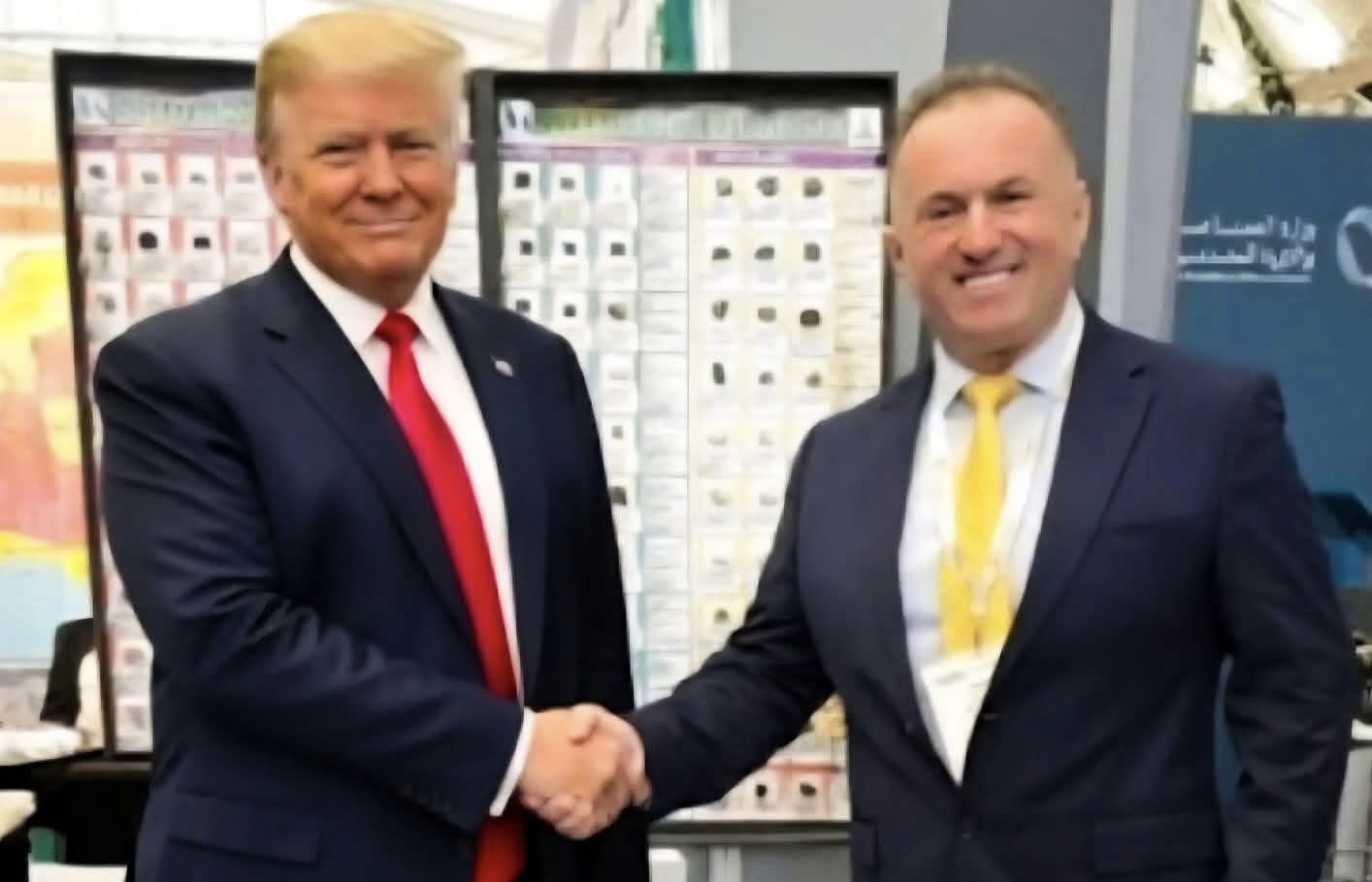
In an exclusive interview for Journal Magazine, Albanian-American businessman and philanthropist Sahit Muja, known also as a friend of President Donald Trump, places strong emphasis on an idea that goes far beyond numbers and pipelines: American gas is not merely a source of energy. It is an instrument of national security.

Muja sees clearly the lesson Europe learned after the Russian gas crisis. When supply was interrupted, prices soared, industries lost competitiveness, inflation spread, and economies were shaken. According to him, this was the clearest proof that insecure energy quickly turns into strategic vulnerability.
“A modern economy cannot function without abundant, reliable, and competitive energy,” Muja says. “Energy security is economic security, industrial security and, ultimately, national security.”
For Albania and Kosovo, this argument takes on a special dimension. Muja views long-term agreements for American LNG not as a simple import, but as a step that strengthens energy independence and, at the same time, the geopolitical position of both countries. An Albanian-American energy corridor, he says, would connect not only gas, but also hydropower, renewable energy, storage, and in the future hydrogen — creating an ecosystem that serves as strategic protection for the entire Western Balkans.
For Kosovo, his message is even stronger. Recalling the air pollution and power outages he has personally experienced in Gjakova, Muja stresses that without secure energy there can be no competitive industry, serious investment, or jobs. American gas, in his view, is not the final solution, but a necessary bridge toward a cleaner and more sustainable system.
At its core, Sahit Muja treats American gas as part of the security architecture of the 21st century. Whoever controls energy controls development. Whoever diversifies supply protects their sovereignty.
“America should not be merely the supplier of Europe’s energy,” he says. “America can be Europe’s partner in building the energy architecture of the 21st century.”
And for Albania and Kosovo, this partnership is not only economic. It is national.